State and Local Funding Structures for Public Services in New Hampshire
Presented by Phil Sletten, New Hampshire Fiscal Policy Institute Research Director to The Center for Advancing Rural Health Equity at Dartmouth Health on January 30, 2026.

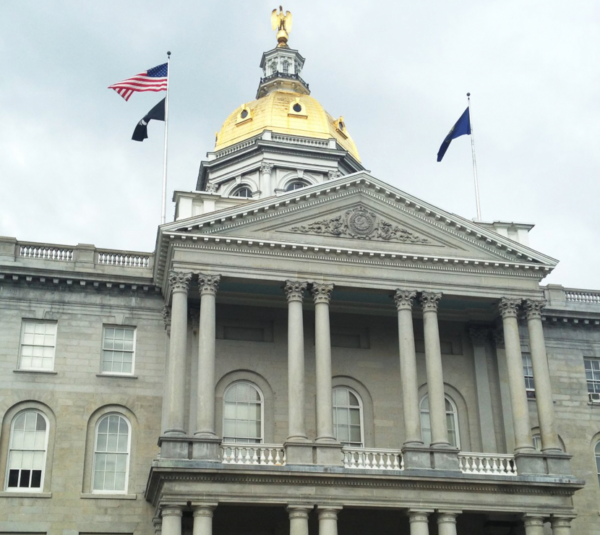
Revenue is essential to funding the priorities of the state and supporting vital public services. State and local revenue in New Hampshire stems primarily from taxes, and each resident, visitor, and employer has a vital role in generating the resources required to maintain essential systems and meet the needs of Granite Staters.
Property taxes are the primary revenue source for local governments, while the largest tax revenue sources for the State are taxes on business profits and compensation, restaurant meals and hotel room rentals, tobacco sales, real estate transactions, insurance premiums, motor fuels, and other economic activity. State revenue also comes from sales by State-operated enterprises selling liquor and lottery tickets.
NHFPI seeks to improve public understanding of New Hampshire’s revenue system, its role in financing state expenditures, and the impact it has on families and individuals at different income levels.
Presented by Phil Sletten, New Hampshire Fiscal Policy Institute Research Director to The Center for Advancing Rural Health Equity at Dartmouth Health on January 30, 2026.
First published in New Hampshire Bulletin, January 27, 2026. Earlier this month, the New Hampshire House passed what looks like a tiny change: a 0.05 percentage point cut to the Business Enterprise Tax. But this small number masks big consequences. Based on our research, the proposal would drain tens of millions of dollars from the ...